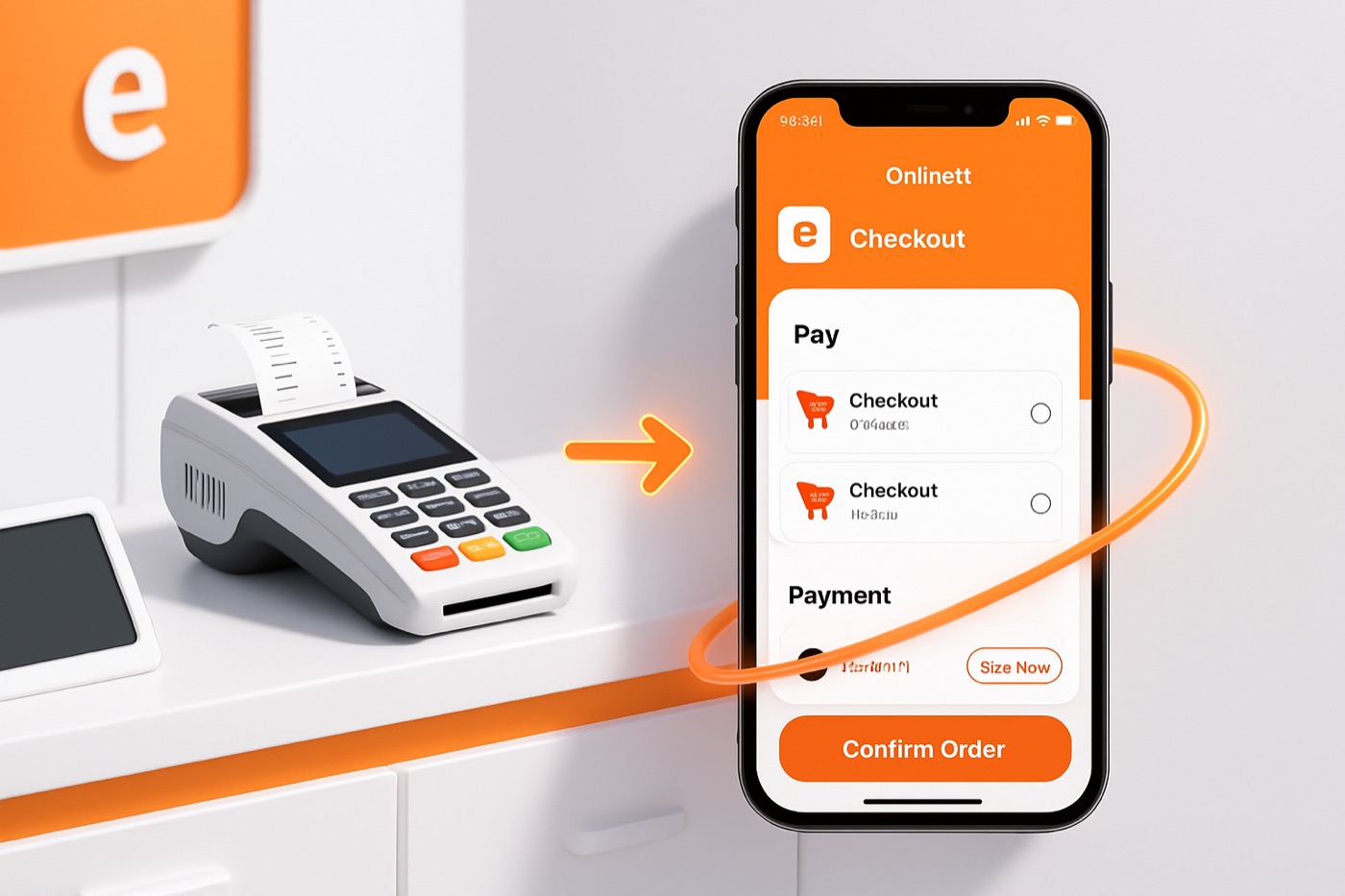
Most payment providers do one channel well – online or in-store – and patch the other on as an afterthought. The result is two dashboards, two fee structures and a two-hour Sunday reconciliation. A genuinely omnichannel provider feeds both channels into one account, turning that reconciliation into a ten-minute check.
Key takeaways
- Online gateways and POS systems grew up as separate worlds; most providers only do one well.
- A unified setup means one provider, one dashboard, one fee structure and one support team across both channels.
- Confirm POS hardware is actually available in your market – some providers list in-person payments but don’t offer terminals locally.
- Check NFC contactless and QR support explicitly – they’re not the same thing, and not every provider has both.
- The real test of omnichannel: online and in-person transactions appear under the same account, with consolidated settlement.
You open your laptop on a Sunday evening to reconcile the week’s sales. Online revenue is in one system. In-store transactions are in another. The refunds from Tuesday are somewhere else entirely. You spend two hours exporting, merging, and checking figures that should have taken twenty minutes.
This is the reality for a lot of businesses running both a physical shop and an online store with separate payment systems. It’s not a crisis – but it’s a slow drain on time and a constant source of small errors.
The root of the problem is usually that the business chose a payment provider based on one channel and then patched something together for the other. It works, but it doesn’t work well together.
Here’s what to look for if you want a payment provider that handles both properly.
Why Most Providers Only Do One Well
Payment technology has historically been split into two distinct worlds: online payment gateways (for card-not-present transactions) and POS systems (for in-person, card-present transactions). They have different hardware, different software stacks, and different regulatory requirements.
Most providers specialise in one. Some have tried to do both by acquiring or partnering with a POS company, resulting in systems that technically talk to each other but don’t feel like a single product.
The businesses that end up with clean omnichannel payment infrastructure usually chose a provider that was designed with both channels in mind from the start – not one that added the second channel as an afterthought.
What a Unified Payment Setup Actually Looks Like
Here’s the practical difference between fragmented and unified payment infrastructure:
Fragmented:
- Online checkout managed by Provider A
- POS terminals from Provider B (or your bank)
- Settlement into different accounts on different timelines
- End-of-day reconciliation requires pulling data from two places
- Refunds for in-store purchases processed differently from online refunds
- Two sets of fees, two sets of support contacts, two onboarding processes
Unified:
- One provider handles both channels
- All transactions visible in a single dashboard
- Consistent settlement process regardless of channel
- One fee structure you actually understand
- One support team for all payment questions
The unified version is less common, but it exists – and the time savings compound significantly as transaction volume grows.
The Checklist: What to Verify Before You Sign Up
POS Hardware Availability
If you need physical terminals, confirm upfront that the provider actually offers POS hardware in your market. Some providers list “in-person payments” as a capability but only offer it in certain countries.
For Singapore-based retail businesses, ONE Payments provides POS terminals locally – available to purchase or rent. Terminals accept credit and debit cards, NFC/contactless payments, and QR-code wallets.
Contactless and QR Support
Tap-to-pay and QR-based payments have become standard expectations for Singapore shoppers. If your POS terminal doesn’t support these, you’ll create friction at the point of sale.
Verify specifically: NFC contactless (for cards and mobile wallets) and QR payment compatibility. These aren’t the same thing and not every provider supports both.
Online Checkout Integration Under the Same Account
The test of a genuinely omnichannel provider is whether your online store and your POS terminals feed into the same account – not just whether the same company offers both products.
Ask: will my online transactions and in-person transactions appear in the same dashboard? Can I see a consolidated settlement report across both channels? If the answer involves any manual reconciliation step, the integration isn’t as seamless as advertised.
Unified Reporting and Reconciliation
This is the operational benefit that’s hardest to put a number on but easiest to feel every week.
A single dashboard showing all transactions – online and in-store, by date, by amount, by status – turns a two-hour Sunday reconciliation into a ten-minute check. It also makes it easier to spot unusual patterns: a product generating a lot of in-store refunds, or a spike in online transactions from a specific region.
ONE Payments provides a unified merchant dashboard for managing both online and in-store payments, giving businesses a single view of their payment activity regardless of channel. Talk to the team about your setup.
Cost Transparency Across Channels
Two channels means two sets of transaction fees. Make sure you understand both before signing up – and check that the pricing is transparent enough to model into your margins.
Common gaps to watch for:
- Different rates for card-present versus card-not-present transactions
- POS terminal rental or maintenance fees that aren’t mentioned in the headline pricing
- Settlement fees that apply to one channel but not the other
A Note on Getting Started
If you’re currently running separate systems for online and in-store payments, migrating is less disruptive than it sounds. Most payment providers handle the technical migration and can coordinate terminal setup with minimal downtime.
The harder part is committing to a single provider and trusting that the integration will work as described. That’s why it’s worth testing reporting, asking for a demo of the dashboard, and having a specific conversation about your transaction mix before you sign up.
If you run a physical retail business in Singapore alongside an online store, ONE Payments is designed for exactly this setup – one platform, both channels, no fragmentation.
Get in touch with ONE Payments